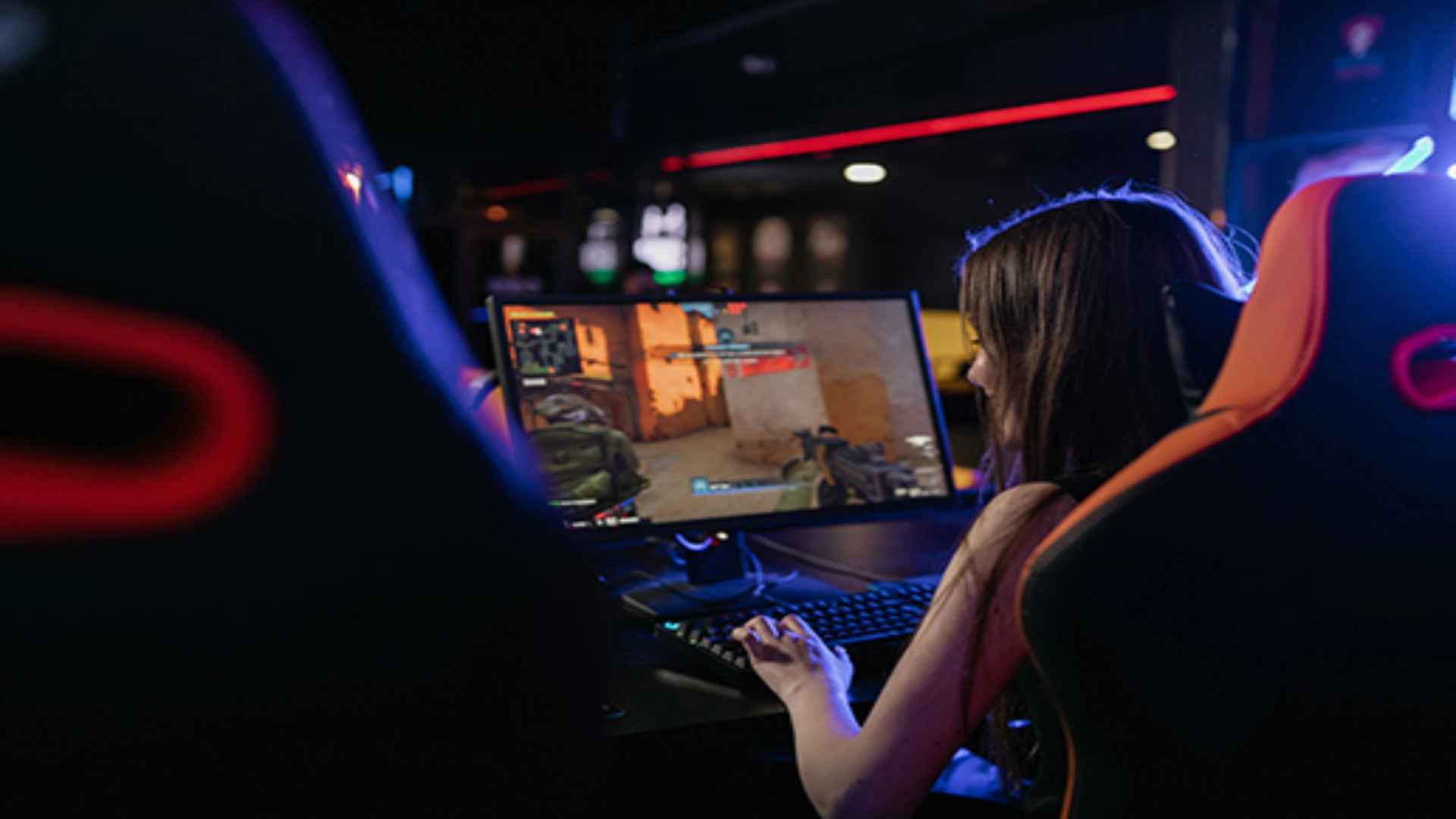
The transition of arcade gaming from neon-lit physical halls to the digital landscape has redefined how enthusiasts engage with high-speed entertainment. Modern browser technologies now allow for instantaneous access to complex game mechanics and vibrant visuals that once required dedicated hardware.
The Evolution of Speed in Digital Arcades
In the contemporary era, fast-paced arcade games prioritize immediate responsiveness and low-latency environments to satisfy the demands of competitive players. This evolution ensures that the frantic energy of classic coin-op machines is preserved while incorporating modern networking capabilities for global interaction.
Developers are increasingly focusing on streamlined user interfaces that remove barriers to entry, allowing users to dive into the action within seconds of loading. This design philosophy caters to a growing audience that values efficiency and high-octane stimulation during their digital leisure time.
Innovative Mechanics Powering Rapid Gameplay
Current trends in the sector highlight the use of procedural generation and physics-based challenges to keep the experience fresh and unpredictable. These elements require players to maintain sharp focus and adapt their strategies on the fly as difficulty levels scale dynamically with their performance.
Many top-tier platforms now integrate social features that let gamers track their progress against a worldwide leaderboard in real-time. For those who enjoy diverse competitive categories, exploring Msports offers insights into how different digital arenas manage high-speed tournament structures and player rankings.
The integration of advanced graphics libraries like WebGL has also enabled stunning 3D environments that run smoothly across various devices. This cross-platform accessibility means that the thrill of a high-speed chase or a rapid-fire puzzle can be enjoyed on both desktop and mobile screens without compromising quality.
The Cognitive Benefits of High-Intensity Sessions
Engaging with fast-paced digital titles is often linked to improvements in spatial awareness and hand-eye coordination due to the constant visual processing required. These games serve as a mental workout that challenges the brain to make split-second decisions under pressure.
Research suggests that the rhythmic and repetitive nature of arcade tasks can help in developing better concentration and task-switching abilities. By focusing on short but intense gaming loops, players can refine their reflexes in a controlled and rewarding environment.
Future Horizons for Browser Based Action
As web standards continue to mature, the potential for even more immersive and reactive arcade experiences is expanding rapidly. We are likely to see a greater fusion of augmented reality and traditional arcade formats, bringing a new layer of depth to the genre.
Artificial intelligence will also play a crucial role in creating smarter opponents and more balanced gameplay sessions for users of all skill levels. This technological progression ensures that the digital arcade remains at the forefront of innovative and accessible entertainment for years to come.