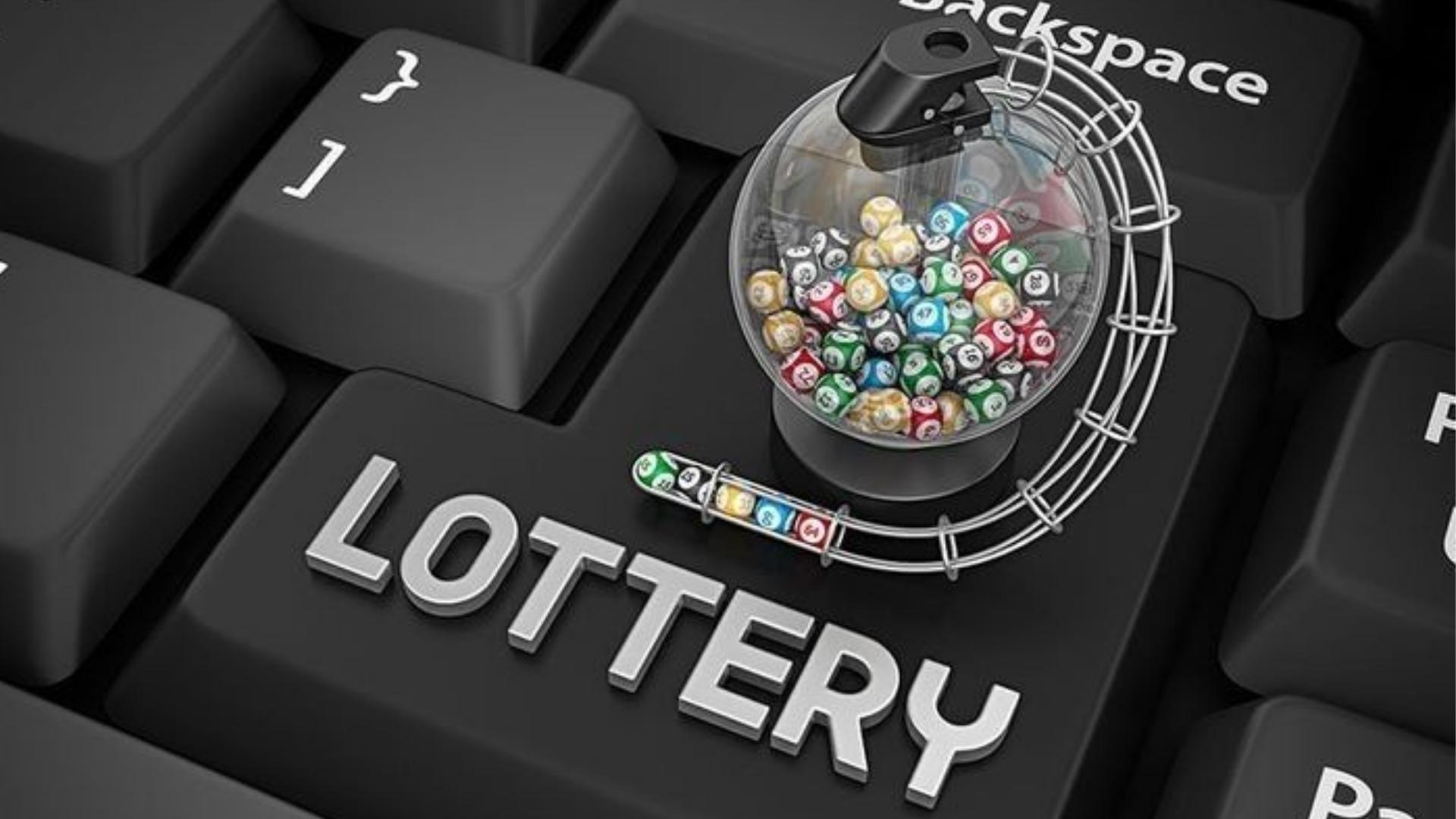
Modern video game design relies heavily on progression systems to keep players engaged over extended periods. While traditional linear tracks provide clear goals, integrating randomized elements can significantly boost excitement and long-term retention. By blending deterministic milestones with unpredictable drops, developers create a dynamic ecosystem that keeps the experience feeling fresh.
The Psychology of Variable Progression
Human psychology is naturally drawn to uncertainty, which triggers heightened engagement when receiving unexpected bonuses. When a player knows exactly what milestones lie ahead, the journey can become formulaic and lose its spark. Introducing variable ratios of reinforcement ensures that routine tasks transform into thrilling moments of discovery.
This design choice directly taps into the brain's anticipation mechanics, making the completion of a progression tier far more memorable. The gratification of hitting a hard-earned level is amplified when accompanied by a surprise cosmetic item or rare material. Consequently, players remain motivated to push through standard grinding phases.
Balancing Fairness and Randomness
Implementing randomness requires a delicate approach to avoid alienating the player base. If the odds of obtaining valuable gear are excessively low, individuals may feel manipulated and abandon the game. Successful developers implement fallback mechanics, ensuring that continuous effort guarantees meaningful progress even during unlucky streaks.
Transparency in probability systems also helps maintain community trust. Displaying drop rates allows players to make informed decisions regarding their time investment. Those looking to understand competitive systems can utilize a secure M88 link login to explore platform functionalities and data structures safely.
Sustaining Long-Term Engagement
Modern live-service titles rely heavily on seasonal progression updates to stay relevant. Random rewards fit perfectly into these frameworks by introducing time-sensitive variation to the ecosystem. Dynamic item pools ensure that veterans and newcomers alike find reasons to log in regularly.
Ultimately, a successful progression model balances the security of guaranteed growth with the thrill of random chance. When executed ethically, these hybrid systems enrich the core gameplay loop without exhausting the audience. As game design continues to evolve, the integration of surprise elements will remain a cornerstone of user retention.